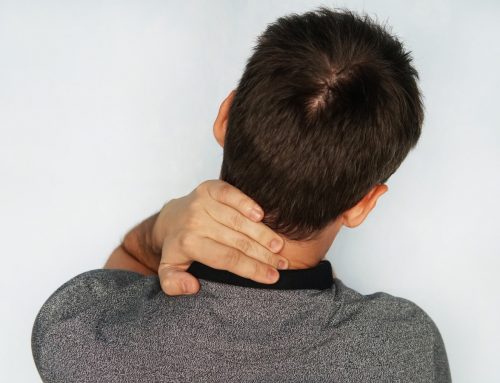

If you have visited a chiropractor, you may have heard the word subluxation. For anyone without a chiropractic background, it can sound odd. Keep reading to find out what a spinal subluxation is, how it relates to your nerves, what the common symptoms and causes are, and how chiropractors can help.
What Is a Spinal Subluxation?
In chiropractic, a subluxation describes a joint that is not moving or functioning as it should. The World Health Organization’s chiropractic guidelines define it as a lesion or dysfunction in a joint or motion segment in which alignment, movement, or function is altered while the joint surfaces remain in contact. WHO describes it as essentially a functional problem.
This is different from the medical use of the word, which refers to a significant displacement of a joint that is visible on imaging. When chiropractors talk about a spinal subluxation, sometimes called a misalignment, we mean the functional kind. Chiropractic organizations word their definitions in different ways, and the profession has not agreed on a single test for it. Similar joint problems can occur in the ribs, shoulders, wrists, and feet.
How Does It Relate to Your Nerves?
Your spinal cord runs through the spinal column, and a pair of spinal nerves exits between each set of vertebrae. Each nerve supplies a specific area of skin and a specific group of muscles.
A nerve root can be compressed or irritated, most often by a disc herniation, a bone spur, or narrowing of the canal. When that happens, pain, numbness, tingling, or weakness travels along that nerve into an arm or a leg.
A subluxation is usually a different and more subtle thing. The joints and muscles of the spine are packed with sensors that report position and movement to the brain. Researchers are studying how a joint that is not moving well changes that incoming information, and whether an adjustment influences it. Small laboratory studies, mostly from one research group, have measured changes in how the brain processes sensory input, and in muscle strength, shortly after an adjustment. In one 12-week trial of 60 adults over 65, chiropractic care was followed by faster stepping reaction time and better ankle position sense than usual care. What is not yet clear is how much these changes relate to how patients feel and function day to day.
The older idea that subluxations press on nerves and cause disease in the organs is not supported by clinical research, and we do not make that claim.
What Are the Common Symptoms?
Every patient is different, but spinal joint problems commonly show up as:
- Back or neck pain: Ranging from a dull ache to sharp pain with certain movements.
- Headaches: Problems in the upper neck can refer pain to the back of the head.
- Reduced mobility: Stiffness that makes it harder to turn, bend, or do the things you enjoy.
Muscle tenderness and tightness are also common. Numbness, tingling, or burning that travels into an arm or leg suggests a nerve root is involved and should be examined.
What Are the Common Causes?
Trauma
Falls, auto accidents, and sports injuries are common causes. Smaller repeated strains add up as well, such as looking down at a device for hours, sleeping in awkward positions, or always carrying a bag on the same side.
Prolonged Positions and Inactivity
Joints stay healthy with movement. Long hours of sitting, and long stretches without much activity, allow joints to stiffen and the muscles that support them to weaken.
Stress
Stress affects children and adults alike. Frequent stress increases muscle tension, particularly in the neck, shoulders, and back, and tight muscles change how the joints beneath them move.
Chiropractors Can Help Identify and Address Subluxations
If you think your symptoms may be related to your spine, a chiropractor can evaluate it. An examination includes your history, posture and movement, the way individual joints move, and neurologic testing when appropriate, with X-rays when clinically necessary.
When care is appropriate, a chiropractic adjustment is used to restore movement to the joint. Broader research on spinal adjustment suggests modest benefits for some low back pain, neck pain, and neck-related headaches. Those results are not specific to any one technique. For upper cervical care, a study that followed 1,090 patients found improved neck pain and headache over about two weeks and no serious adverse events, and a 66-patient case series of Orthospinology care found similar improvement in neck pain. Neither had a comparison group. At At Last Chiropractic, our doctors use gentle, instrument-assisted approaches, including Torque Release Technique, with no twisting or cracking.
Seek urgent medical care for sudden weakness, numbness in both legs or around the groin, loss of bladder or bowel control, or a sudden, severe headache.
Start With an Assessment
If you are looking for a chiropractor in Lithia, FL, we would be glad to evaluate your spine, explain what we find in plain language, and tell you whether chiropractic care is a good fit for you. Book your appointment today, or start with the new patient evaluation below.
Start With an $89 New Patient Evaluation
Our new patient offer includes your health history and consultation, a postural and biomechanical assessment, neurologic testing when appropriate, X-rays when clinically necessary, and a separate Report of Findings visit. There is no obligation to begin treatment.
Or call 813-461-6500.
At Last Chiropractic, 5611 Skytop Drive, Lithia, FL, in FishHawk. Offer not available to patients filing with Medicare.