Groin injuries can be painful and limiting, and they often affect athletes and active people. Most people associate chiropractic care with the back and neck, so it is fair to ask whether it has any role here. The answer depends on where the pain is actually coming from, and that is not always the muscle. Let’s look at common groin injuries, the nerves involved, and where a chiropractic evaluation fits.
Common Groin Injuries
Groin injuries affect the area where the lower abdomen meets the upper thigh. They vary in severity and cause, but some are more common than others.
Groin Strain
A groin strain occurs when the muscles of the inner thigh are stretched or torn. Athletes in sports that require quick changes of direction or powerful leg movements are particularly susceptible. Symptoms typically include sharp pain in the groin, especially when bringing the legs together or raising the knee, sometimes with swelling, bruising, and weakness.
Osteitis Pubis
This condition involves inflammation of the pubic symphysis, the joint at the front of the pelvis, and the muscle attachments around it. It is common in athletes who do a lot of kicking, running, or rapid changes of direction and usually develops gradually from overuse. Pain is felt in the lower abdomen, groin, and sometimes the inner thigh.
Sports Hernia
Despite its name, a sports hernia is not a true hernia. It is a strain or tear of soft tissue in the lower abdomen or groin, and there is typically no visible bulge. It causes chronic groin pain that worsens with twisting and sudden changes of direction.
Adductor Tendinopathy
Adductor tendinopathy affects the tendons that connect the inner thigh muscles to the pelvis. It is usually caused by repetitive stress in sports like soccer, hockey, or horse riding, and brings a gradual onset of groin pain and stiffness that worsens with activity.
Can Chiropractic Care Alleviate Groin Injuries?
Chiropractic adjustments do not heal a torn muscle, a tendon problem, or a sports hernia. Those tissues recover with time, the right loading, and in some cases surgical care. What a chiropractic evaluation can do is help work out why the groin hurts and whether the spine, pelvis, or hip is part of the picture.
The Nerves of the Groin
Every nerve that serves the groin begins in the lower spine:
- The obturator nerve arises from the L2, L3, and L4 levels of the low back. It powers the adductor muscles of the inner thigh, the same muscles involved in a groin strain.
- The femoral nerve also arises from L2 to L4 and supplies the hip flexors and the front of the thigh.
- The ilioinguinal, iliohypogastric, and genitofemoral nerves arise from about T12 to L2 and carry sensation from the groin and upper inner thigh.
When the Pain Is Not Coming From the Muscle
Because of these shared nerve pathways, groin pain is sometimes referred from somewhere else. The hip joint, the sacroiliac joint, and the lumbar spine can all send pain to the groin. A nerve can also become trapped in the abdominal wall, sometimes after hernia surgery, causing burning or electric pain.
Signs that point away from a simple strain include burning or tingling, numbness, pain at night or with sitting, pain that travels, and weakness.
Where Chiropractic Care May Fit
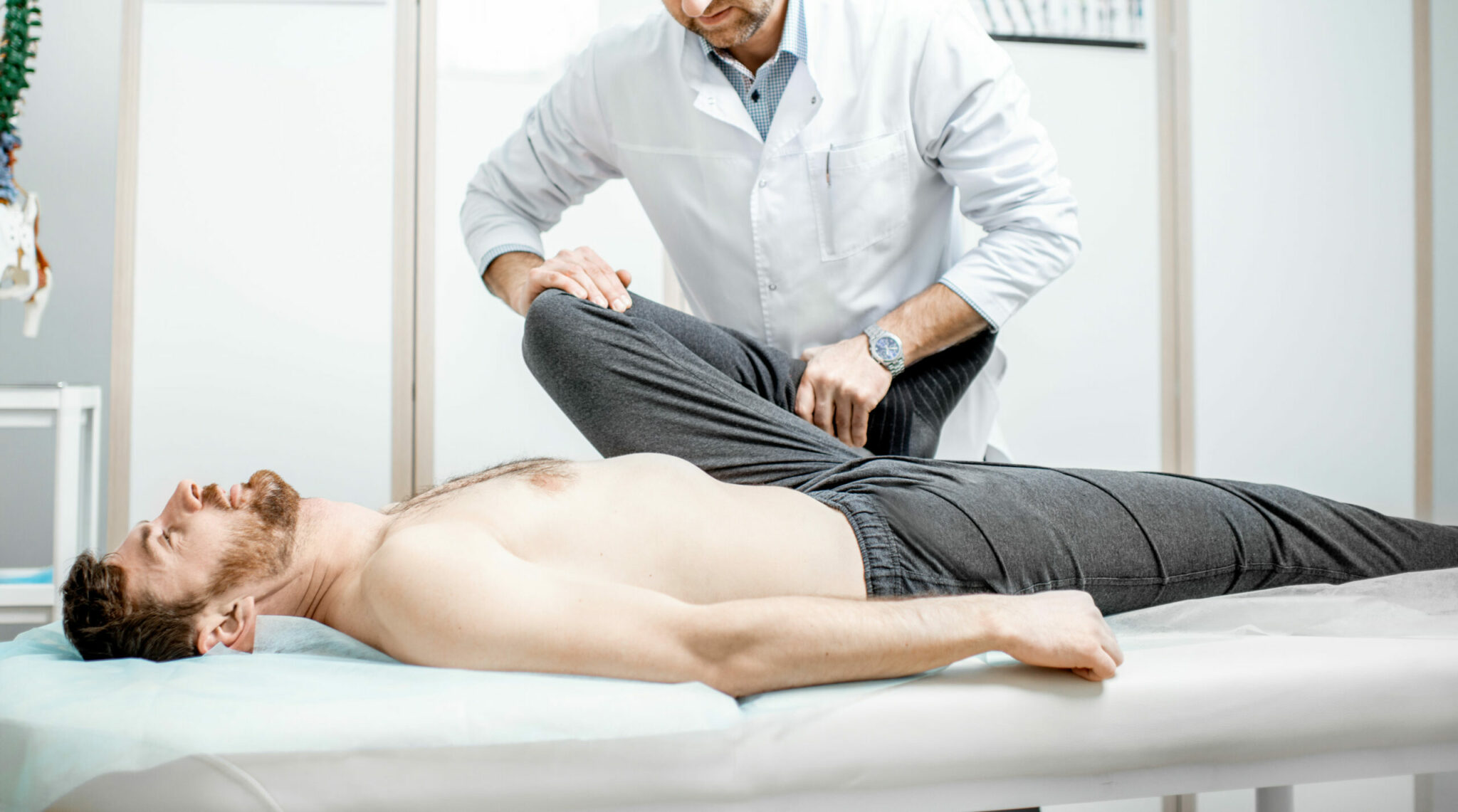
- Sorting out the source. We examine how your low back, pelvis, and hips move, and use neurologic testing when appropriate, to see whether the pain behaves like a muscle injury or like referred or nerve-related pain.
- Addressing the spine and pelvis. Stiffness or pain in the low back, pelvis, or hip changes how you load the groin when you run and cut. Broader research on spinal adjustment suggests modest benefits for some low back pain, though those results are not specific to the instrument-assisted techniques we use. Moving better through those regions may take strain off the area.
- Pointing you to the right rehab. Progressive strengthening has the best research support for long-standing adductor-related groin pain. In one randomized trial, athletes on an active strengthening program were far more likely to return to sport than those given passive treatment. Your recommendations may include chiropractic care, appropriate exercises, or coordination with another healthcare professional.
No trial has tested chiropractic adjustments for these injuries. In one trial of athletes with long-standing groin pain, a program that included hands-on therapy and stretching got them back to sport a few weeks sooner than exercise alone, although no more of them returned overall.
Seek medical care promptly if you cannot bear weight, if there is a visible bulge, significant swelling, numbness or a change in skin color, testicular pain, or groin pain in a runner that worsens with every step, which can signal a stress fracture of the hip.
How Long Does It Take for a Strained Groin to Heal?
Healing time depends on the severity of the injury. Mild strains often settle within a few weeks. Moderate strains can take three to eight weeks, and severe strains may take two to three months or longer.
Rushing back is the most common cause of re-injury. Rest from aggravating activity, a gradual return to loading, and professional guidance all matter.
Start With an Assessment
If groin pain keeps returning, or it does not behave like a straightforward strain, it is worth finding out whether your spine, pelvis, or hips are involved. The At Last Chiropractic team in Lithia will tell you plainly what we find, what we can help with, and when a sports medicine physician or physical therapist is the better fit. Book your appointment today, or start with the new patient evaluation below.
Start With an $89 New Patient Evaluation
Our new patient offer includes your health history and consultation, a postural and biomechanical assessment, neurologic testing when appropriate, X-rays when clinically necessary, and a separate Report of Findings visit. There is no obligation to begin treatment.
Or call 813-461-6500.
At Last Chiropractic, 5611 Skytop Drive, Lithia, FL, in FishHawk. Offer not available to patients filing with Medicare.