
Anxiety can feel like it comes out of nowhere. One moment you are fine, and the next your chest is tight, your mind is racing, and everything feels a little harder than it should. If you have been dealing with anxiety for a while, you have probably tried different ways to manage it.
Anxiety is not caused by the spine, and chiropractic care is not a treatment for an anxiety disorder. Your body and your nervous system are closely involved in how anxiety feels, though, and that is where the connection lies. Here is what you should know about chiropractic care and anxiety.
Your Nervous System Plays a Bigger Role Than You Think
Your nervous system does far more than send pain signals. It controls how your body responds to stress, influences your sleep, and shapes how you feel physically from moment to moment.
Two branches of the autonomic nervous system do most of this work:
- The sympathetic nervous system is your “fight or flight” response. Its nerves leave the spinal cord between the upper back and the upper lumbar spine, from about T1 to L2, and it also signals the adrenal glands to release adrenaline.
- The parasympathetic nervous system is your “rest and digest” mode. Most of it travels in the vagus nerve from the brainstem, with a smaller part arising from the sacral nerves at the base of the spine.
When the brain perceives a threat, a region called the amygdala signals the hypothalamus, which switches on the sympathetic system and the release of stress hormones. The result is familiar: a racing heart, shallow breathing, tension in the shoulders, and difficulty sleeping.
How the Body and Anxiety Affect Each Other
Anxiety is complex. Its causes involve genetics, biology, life experiences, and environment, and it cannot be explained by a single spinal finding.
What is well recognized is that anxiety and the body influence each other:
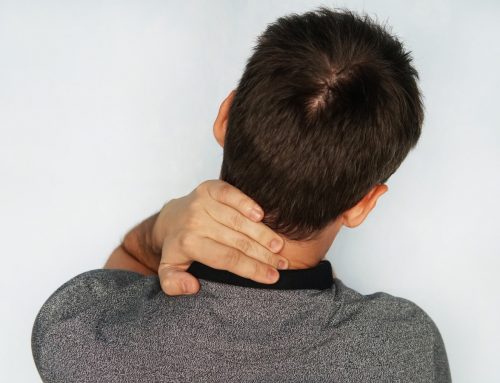
- Anxiety produces muscle tension. Tight neck and shoulder muscles, jaw clenching, and tension headaches are common physical symptoms.
- Pain and anxiety share pathways. They involve overlapping brain regions and chemical messengers, and each can make the other worse.
- Poor sleep feeds both. Pain and tension that disrupt sleep leave you less resilient the next day.
For many people, emotional and physical concerns sit side by side. You can seek help for neck stiffness or back discomfort while also receiving support for anxiety.
What the Research Says About Chiropractic and Anxiety
The research is early, and it is worth describing accurately.
A 2016 study measured brain responses before and after spinal adjustment and found changes in how the brain processed sensory information. It did not examine anxiety or measure anxiety symptoms.
Early research on Torque Release Technique (TRT), the primary adjusting method used at At Last Chiropractic, includes a randomized study in a residential addiction treatment program that reported better program retention with TRT. That finding was published as a short abstract, has not been repeated, and does not establish TRT as a treatment for anxiety or other conditions.
Small studies without comparison groups have reported lower anxiety or depression questionnaire scores during care, including 15 adults receiving Orthospinology upper cervical care and five adults receiving TRT. Trials in people with neck and back pain also show small improvements in psychological wellbeing with spinal adjustment.
A 2019 review of the published literature found limited scientific evidence for chiropractic management of anxiety, most of it case reports. Chiropractic care does not replace therapy, counseling, or prescribed medication.
How a Gentle Chiropractic Visit Works
At At Last Chiropractic, we use Torque Release Technique, which delivers gentle, precise adjustments with a small handheld instrument called the Integrator. There is no twisting, cracking, or popping, and many people find the experience comfortable.
If unfamiliar procedures or physical contact make you anxious, tell us. You are welcome to ask us to explain each step first, to pause, or to discuss an alternative.
Some patients tell us they feel more relaxed after a visit. That is worth discussing, and we want to hear about it. It does not establish that an adjustment treated an anxiety disorder, and we do not promise the same response for everyone.
When a Chiropractic Evaluation Makes Sense
Not all anxiety involves the body in the same way. An evaluation may be worth having if, alongside your anxiety, you have noticed persistent tension in your neck or shoulders, frequent headaches or migraines, back or neck pain, or pain that makes it hard to get comfortable at night.
A thorough evaluation can determine whether there is a musculoskeletal problem we can address, and we will explain what care would and would not be expected to change.
New chest pain, palpitations, shortness of breath, or fainting should be checked by a physician before being put down to anxiety.
If you are in crisis or having thoughts of harming yourself, call or text 988 to reach the Suicide and Crisis Lifeline, or call 911.
Take a Step Toward Feeling Like Yourself Again
You deserve to feel heard and to understand your options. If anxiety comes with physical tension or pain, having your spinal health assessed is a reasonable step alongside the care you receive from your physician or mental-health professional.
Dr. Anthony, Dr. Carissa, Dr. Paul, and our entire team at At Last Chiropractic in Lithia, FL are here to help. We proudly serve families throughout FishHawk, Riverview, Brandon, and Valrico. Book your appointment today, or start with the new patient evaluation below.
Start With an $89 New Patient Evaluation
Our new patient offer includes your health history and consultation, a postural and biomechanical assessment, neurologic testing when appropriate, X-rays when clinically necessary, and a separate Report of Findings visit. There is no obligation to begin treatment.
Or call 813-461-6500.
At Last Chiropractic, 5611 Skytop Drive, Lithia, FL, in FishHawk. Offer not available to patients filing with Medicare.